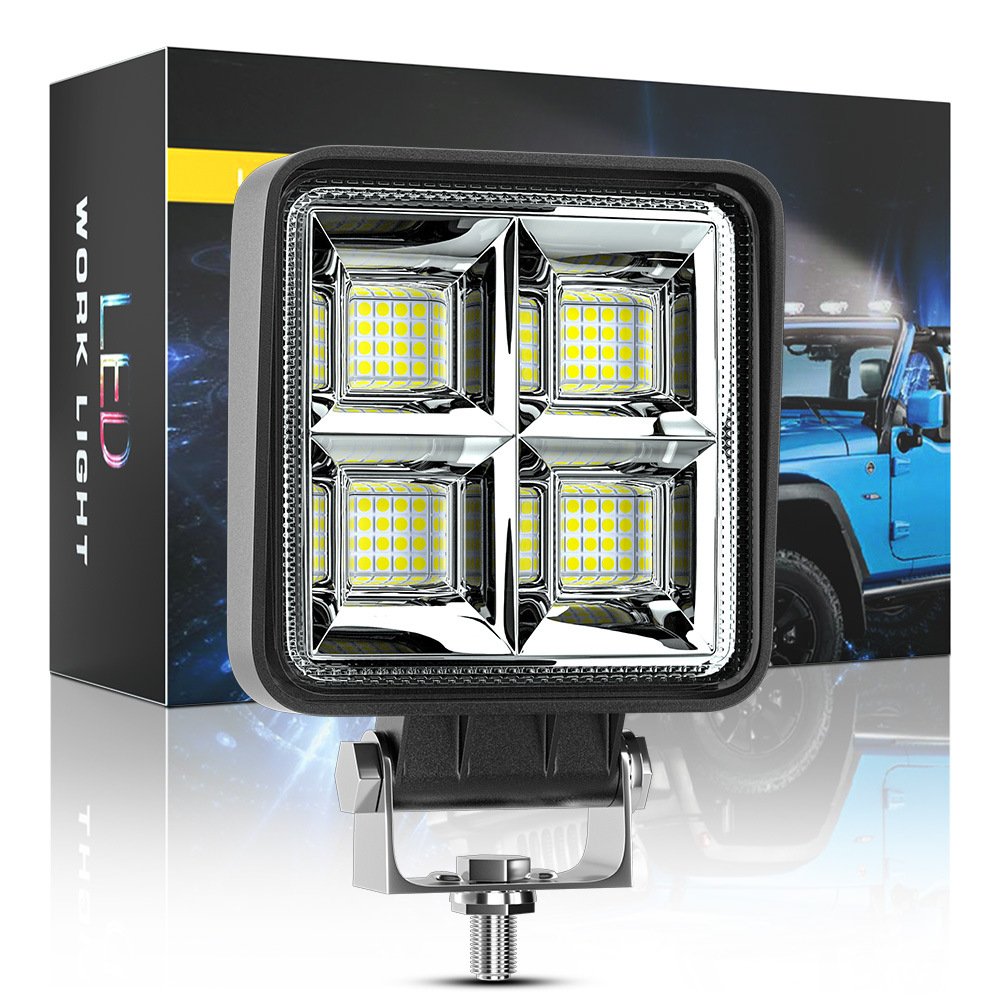
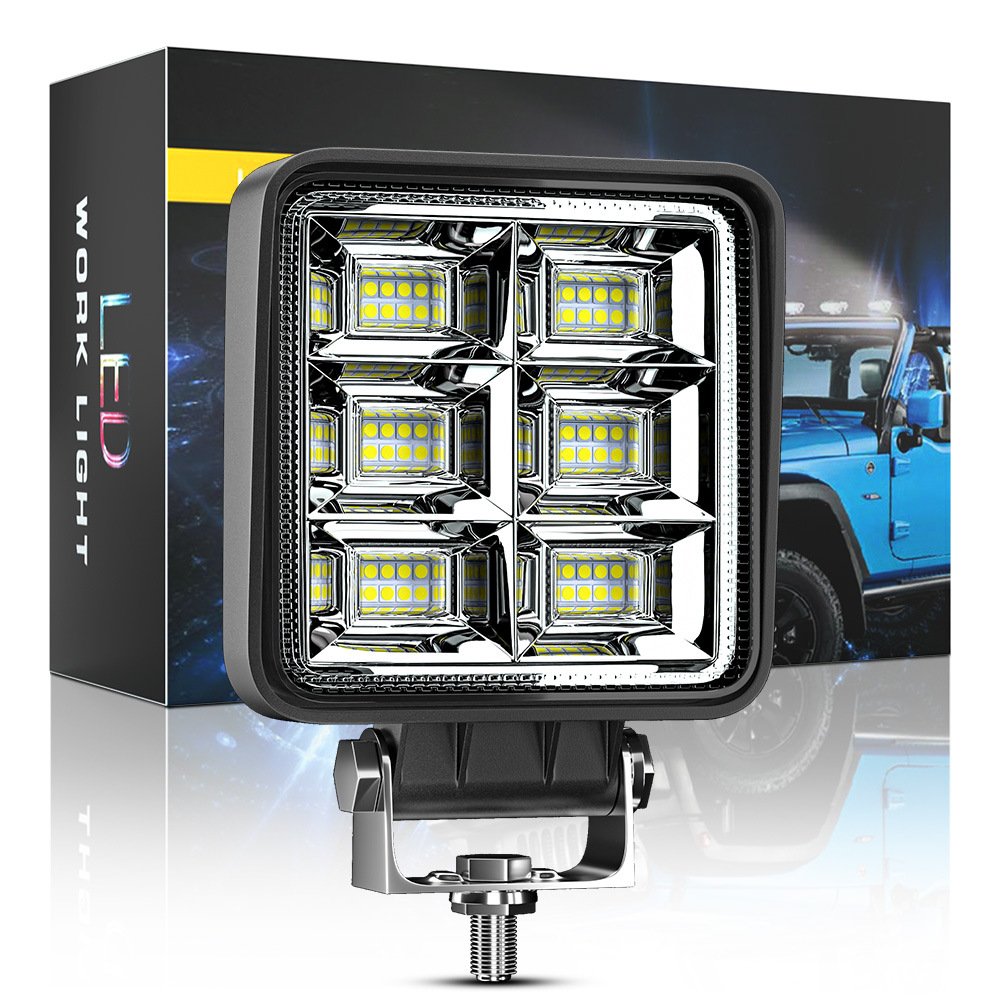
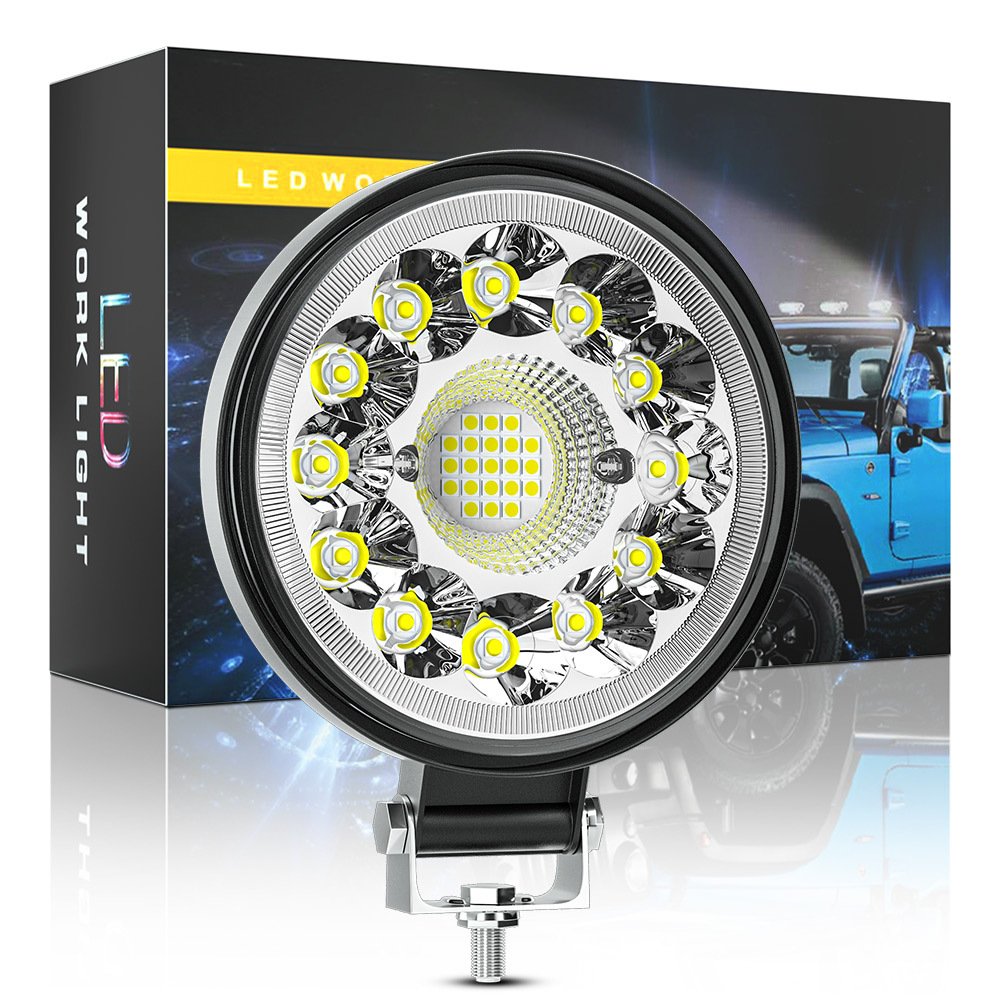
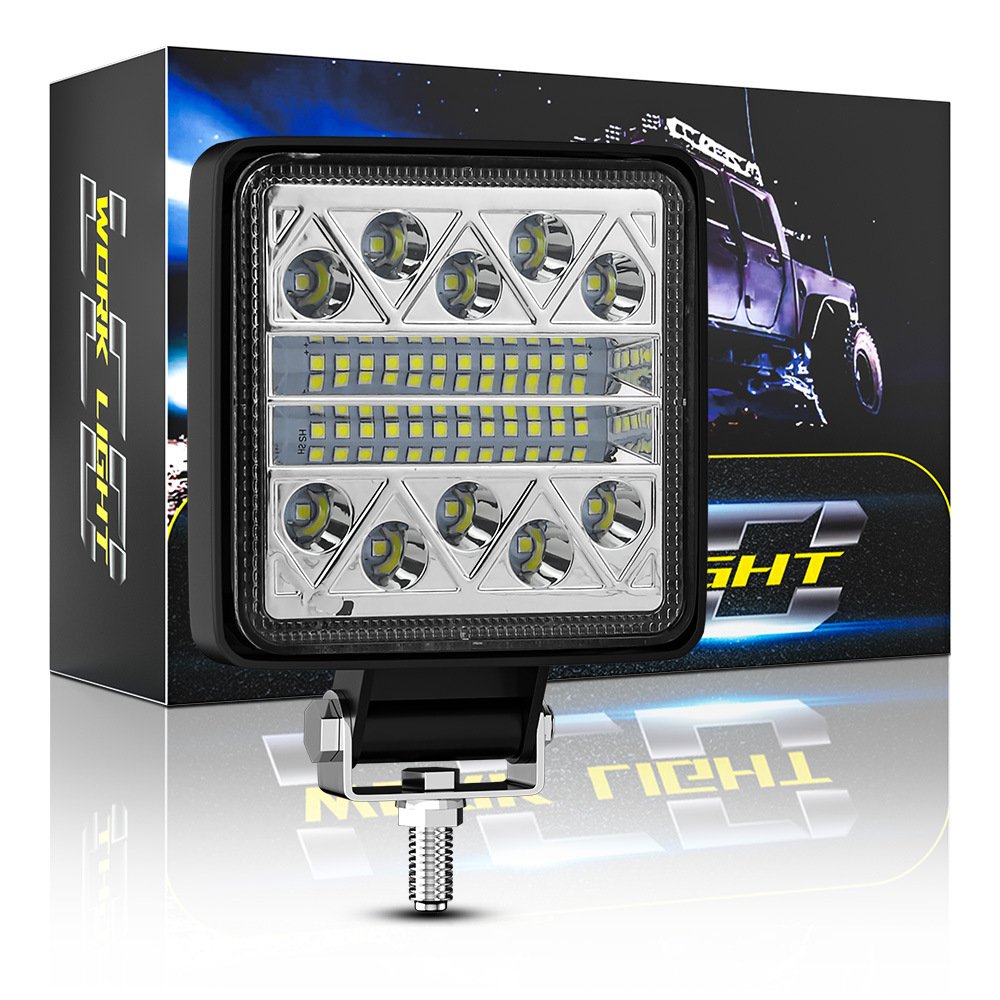
For B2B buyers in the LED lighting industry (wholesalers, distributors, or brand owners), OEM/ODM customization is a key way to differentiate products and seize market share. However, many buyers face challenges like unclear customization processes, mismatched MOQ requirements, or quality deviations from expectations. This guide details the full LED OEM/ODM customization process, core considerations, and risk-avoidance tips, helping B2B buyers cooperate with manufacturers smoothly and achieve product success.
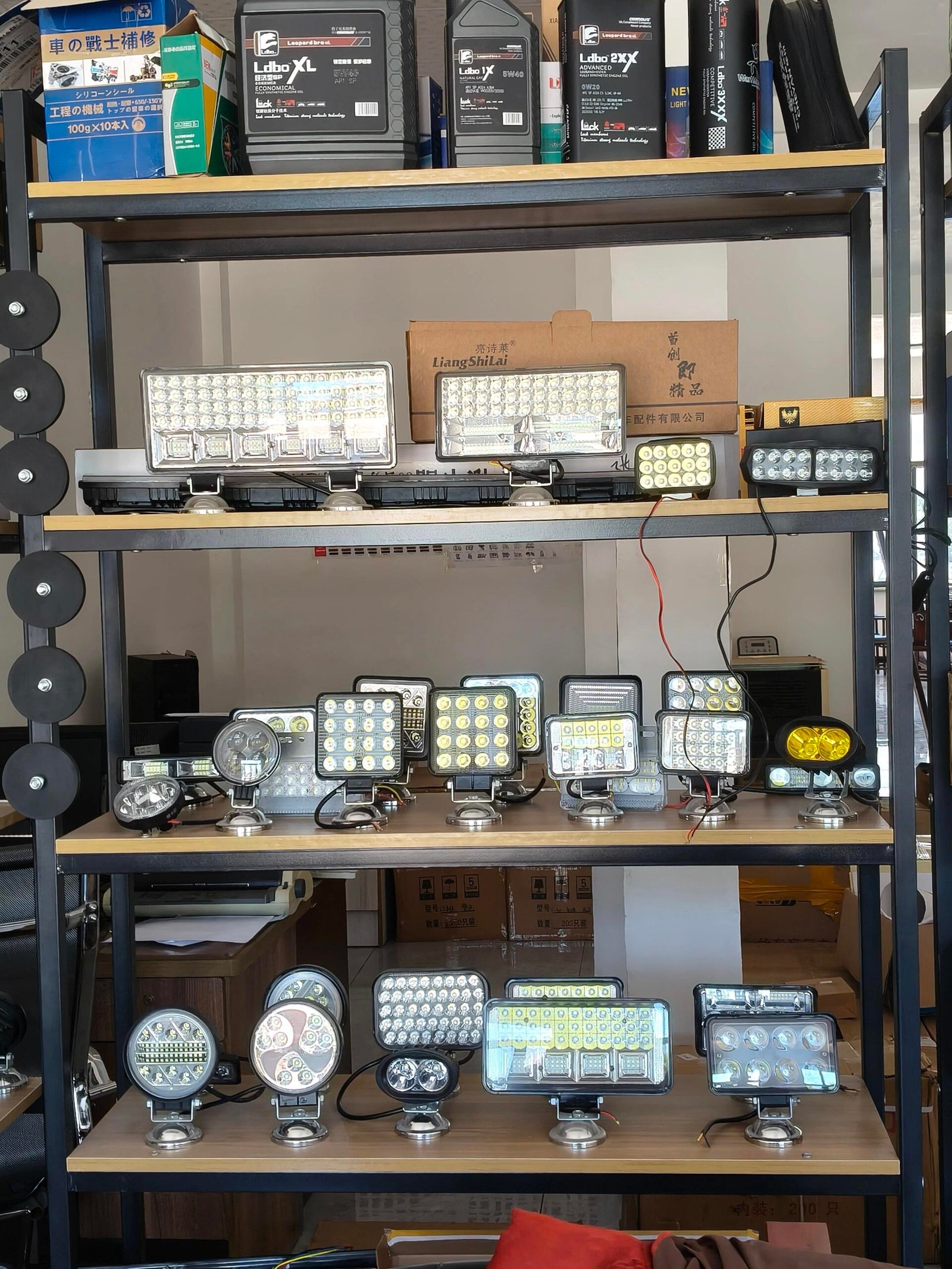
OEM refers to the model where the manufacturer produces LED lights according to the buyer’s design, specifications, and brand requirements. The buyer provides detailed technical drawings, color schemes, and brand logos, and the manufacturer is responsible for production, assembly, and quality control. The final product is sold under the buyer’s brand.
ODM means the manufacturer provides existing LED light designs and product solutions. The buyer can modify details (e.g., color, packaging, logo) based on the manufacturer’s mature models without investing in independent R&D. This model shortens the product launch cycle and reduces R&D costs.
- Brand Differentiation: Customize unique product appearances, functions, and packaging to stand out in the competitive market.
- Cost Control: Avoid high R&D costs (especially ODM) and optimize production costs through bulk customization.
- Market Adaptability: Tailor products to regional market needs (e.g., EU-compliant certifications, US market-specific brightness standards).
- Brand Empowerment: Build brand loyalty with exclusive customized products.
- Stable Orders: Establish long-term cooperative relationships with B2B buyers to ensure order stability.
- Scale Effect: Reduce unit production costs through bulk customization.
- Technical Upgrade: Continuously optimize product design and production processes based on buyer feedback.
- Buyer’s Needs: Clarify product type (e.g., automotive LED headlights, commercial linear lights), core parameters (brightness, CCT, IP rating), customization requirements (appearance, function, packaging), target market (EU/US/Asia), and certification needs (CE/UL/DLC).
- Manufacturer’s Response: Provide technical feasibility analysis, sample quotes, and MOQ suggestions. For ODM, offer existing product catalogs for buyers to modify; for OEM, evaluate design difficulty and R&D cycles.
- Contract Signing: Confirm product specifications, delivery time, quality standards, payment terms, and after-sales policies in writing.
- OEM Mode: The manufacturer’s R&D team converts the buyer’s design drawings into physical samples, completing mold development (if needed) and component testing.
- ODM Mode: Modify existing models according to buyer requirements (e.g., adjust color temperature, add logo, optimize packaging).
- Sample Confirmation: The buyer tests the sample’s performance, appearance, and function. Both parties negotiate and revise until the sample meets the requirements.
- Material Preparation: The manufacturer purchases raw materials (LED chips, drivers, casings) according to the confirmed sample standards.
- Production Assembly: Arrange automated production lines for assembly, soldering, and aging tests.
- Quality Inspection: Conduct 100% full inspection (brightness, waterproof performance, lifespan) and random sampling by third-party labs to ensure compliance with standards.
- Custom Packaging: Print the buyer’s brand logo, product specifications, and certification marks on the packaging as required.
- Logistics Arrangement: Provide cross-border logistics solutions (sea/air/express) according to the buyer’s needs, and prepare complete customs clearance documents (commercial invoice, packing list, certificate of origin).
- Production Capacity: Confirm the number of production lines, daily output, and mold development capabilities (especially for OEM customization).
- Technical Team: Check if there is a professional R&D team to support design optimization and problem-solving.
- Quality System: Verify ISO9001 certification, production process standards, and quality inspection procedures.
- Cooperation Cases: Ask for successful OEM/ODM cases in the target market (e.g., EU/US) to assess experience.
- MOQ Requirements: LED manufacturers usually set MOQ (100-1000 units) based on product type and customization difficulty. Negotiate MOQ according to your order scale.
- Cost Composition: Clarify the costs of mold development, R&D, production, and packaging. Avoid hidden fees (e.g., additional charges for design revisions).
- Price Negotiation: Get quotes from multiple manufacturers for comparison, but avoid blindly choosing the lowest price (which may lead to quality issues).
- Target Market Certification: Ensure the customized product meets regional certification requirements (CE/E-Mark for EU, UL/DLC for US, PSE for Japan).
- Patent Issues: Confirm that the product design (especially ODM) does not involve patent infringement to avoid legal risks.
- Warranty Policy: Confirm the warranty period (1-3 years for high-quality LED products) and defective product handling methods (replacement/refund).
- Technical Support: Ask if the manufacturer provides installation guides, troubleshooting documents, and 24/7 technical consultation.
- Avoidance: Sign a detailed quality agreement, clarify key parameters (lumen output, lifespan, waterproof performance), and require the manufacturer to provide third-party test reports. Conduct on-site inspections during mass production if conditions permit.
- Avoidance: Specify delivery time and penalty clauses for delays in the contract. Confirm the manufacturer’s production schedule and raw material supply status before cooperation.
- Avoidance: Convert all verbal requirements into written documents (technical drawings, sample confirmations). Use clear and concise language to describe customization needs, and confirm with the manufacturer repeatedly.
As a professional LED lighting manufacturer with 10+ years of OEM/ODM experience, Tenraytech (Official Website:
https://tenraytech.com/) provides one-stop customization services for global B2B buyers, with core advantages:
- Full-Category Customization: Cover automotive LED lights, commercial lighting, industrial high bay lights, and outdoor waterproof LED lights, supporting both OEM and ODM modes.
- Strong R&D Capability: 15+ professional engineers, mold development cycle as short as 7 days, and technical solutions tailored to buyer needs.
- Global Compliance Guarantee: All products pass CE, E-Mark, UL, DLC, and IP67/IP68 certifications, meeting the requirements of 60+ countries.
- Flexible MOQ: Support MOQ 100+ for standard products, and negotiate MOQ for small-batch customization.
- End-to-End Service: Provide 3-year warranty, 24/7 English technical support, and one-stop logistics & customs clearance services.
- Proven Track Record: Partnered with 500+ B2B buyers worldwide, with successful customization cases in automotive aftermarket, commercial projects, and industrial lighting.
LED light OEM/ODM customization is a win-win cooperation model for B2B buyers and manufacturers. By choosing a reliable manufacturer, clarifying customization needs, and avoiding common risks, buyers can quickly launch competitive products and gain market advantages.
Tenraytech is committed to providing high-quality, personalized LED customization solutions for global B2B buyers. Whether you need OEM independent design or ODM modified products, we can tailor the most suitable plan for you. Visit our official website to contact the sales team, get a free customization quote, and start your product success journey!