
NewsNEWCENTER
Featured products
Contact Us
Hidden Pitfalls Behind the LED Headlight Upgrade Trend
2025-08-09LED headlights have become the top choice for automotive lighting upgrades, thanks to their superior brightness, energy efficiency, and long lifespan. Compared to traditional halogen bulbs, LED products offer significant improvements in lighting performance and operating costs. However, many car owners encounter issues like error messages, flickering, or sudden shutdowns after replacement—this is not due to poor LED quality, but rather mismatched vehicle compatibility and improper installation details. This guide will break down key compatibility factors, common problems, and targeted solutions to help you avoid upgrade mistakes.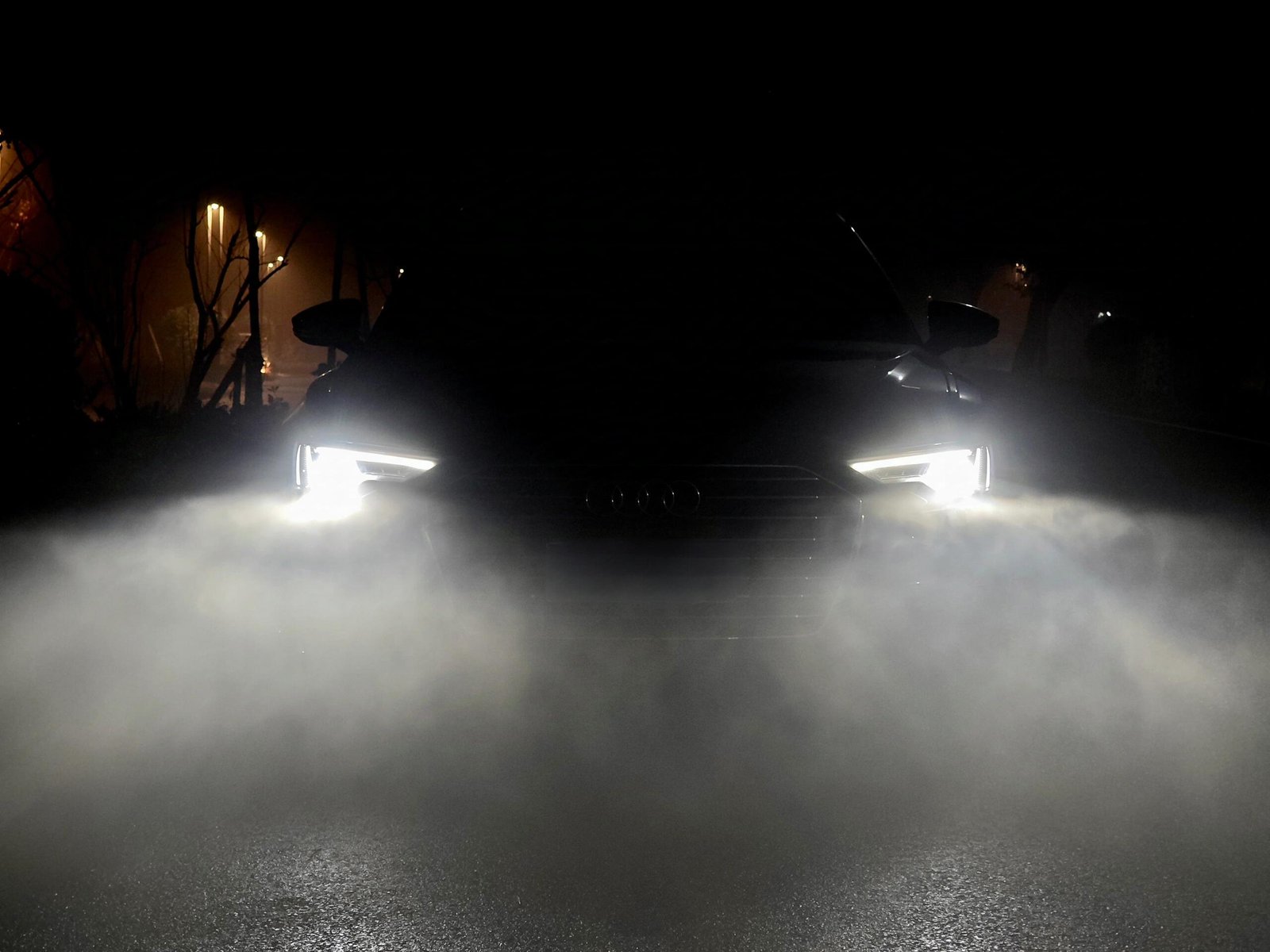
I. Compatibility Differences Between Vehicle Types and LED Headlights
LED headlight compatibility is not a “one-size-fits-all” solution. Electronic system variations across different eras, brands, and models directly impact upgrade results:
- New vs. Old Vehicles: Newer cars manufactured in recent years are generally equipped with advanced lighting monitoring systems, which have strict detection standards for current and power consumption. They require dedicated accessories to function properly; older classic vehicles, with simpler electronic systems, offer better compatibility and can often be upgraded with direct bulb replacements.
- Luxury Brand Characteristics: Luxury brands like BMW, Mercedes-Benz, and Audi feature highly integrated lighting systems with precise factory-set parameter monitoring. Unauthorized LED bulb replacements may trigger dashboard error codes and even interfere with other electronic functions.
- Compatibility Difficulty by Regional Models: Japanese cars (e.g., Toyota, Honda) have relatively straightforward circuit designs, making DIY LED upgrades highly successful; European cars (especially high-end lines) have stringent compatibility requirements, leading to the highest probability of error messages; American cars (e.g., Ford, Chevrolet) fall in between, with some models requiring targeted solutions due to unique circuit designs.
II. Common LED Headlight Issues and Their Causes
When LED headlights are incompatible with a vehicle, the following typical problems may occur—all related to circuit adaptation:
- Error Code Alerts: The most common issue, which can be triggered in headlights, brake lights, or reverse lights. Some vehicles only notify when lights completely fail, while high-end models precisely indicate the faulty location (e.g., “Left Low Beam Malfunction”). The root cause is that LED current parameters do not match the factory monitoring standards.
- Light Flickering: Flickering can occur in fast (e.g., Daytime Running Lights/DRL) or slow (e.g., low beams) forms. It is common in Japanese vehicles with “high beam + DRL combo” bulbs and some Jeep LED headlights, primarily due to unstable current or power mismatches.
- Rapid Turn Signal Blinking: Traditional halogen bulbs rely on heat generated by current to drive blinking. LEDs’ low power consumption results in insufficient current, triggering a false “bulb burnout” detection and accelerating the blinking frequency. This affects all vehicles except those equipped with LED-compatible electronic flashers.
- Random Shutdowns: Lights suddenly turn off after a few minutes of use and restart when manually reset. This issue is particularly prevalent in Dodge vehicles, mostly caused by incompatible LED thermal management or unstable power supply.
- Failure to Illuminate: In most cases, this is due to reversed LED polarity—an installation error rather than vehicle compatibility. Reversing the connector will resolve the issue.
III. CAN Bus System: The Core of LED Compatibility
Modern vehicles are widely equipped with CAN bus systems, which monitor lighting circuits by detecting real-time current changes to determine bulb functionality. Since LEDs consume far less power than halogen bulbs, the system misinterprets the low current as a “bulb failure,” triggering alerts or abnormal operation.
To resolve CAN bus compatibility issues, dedicated accessories are required to simulate the electrical parameters of factory halogen bulbs. Common solutions include:
- Load Resistors: These increase circuit resistance to mimic halogen bulb power consumption, effectively preventing error codes and flickering. However, they generate significant heat and must be mounted on metal surfaces to avoid damage. The 6Ω/50W specification is suitable for high-power applications like headlights and fog lights.
- Decoders: Plug-and-play devices that stabilize current and reduce flickering via built-in capacitors. They are especially useful for vehicles that only detect faults when lights are on. While easier to install and less heat-generating than resistors, some decoders are bulky, potentially causing installation challenges.
- Electronic Flashers: Designed specifically to fix rapid blinking. They are essential for older vehicles with traditional thermal flashers incompatible with LEDs, as they regulate blinking frequency to ensure normal turn signal operation.
IV. Vehicle-Specific Solutions
Certain makes/models require tailored approaches due to unique circuit designs:
- Ford Models: In some Ford vehicles, installing LED headlights and turning on fog lights may cause the system to automatically switch from low to high beams. This can be resolved with a DRL relay kit to stabilize power output.
- Dodge Vehicles: Renowned for strict compatibility requirements, Dodge cars often need specialized load equalizers or custom resistors to ensure LED headlights work without error codes or random shutdowns.
V. Practical Tips for Accessory Selection and Installation
Choosing the right accessories requires matching vehicle conditions and issue types for effective solutions:
- For rapid turn signal blinking, prioritize appropriate load resistors to simulate halogen bulb power—cost-effective and straightforward.
- For minor flickering or error codes when lights are on, decoders are optimal. Plug-and-play and compatible with CAN bus systems, they require no complex modifications.
- For DRL flickering in vehicles using PWM (Pulse Width Modulation) dimming technology, install a DRL relay kit to smooth power pulses.
- During installation, ensure adequate heat dissipation for accessories: keep load resistors away from plastic components and securely fasten decoders to prevent loose connections while driving.
Conclusion
LED headlight upgrades significantly enhance vehicle lighting performance and aesthetics, but compatibility issues are unavoidable. Error codes, flickering, and rapid blinking stem from mismatched LED and vehicle electronic parameters. By understanding your vehicle’s circuit characteristics and selecting appropriate accessories (e.g., load resistors, decoders), a smooth upgrade is achievable. Always consult your vehicle specifications and seek professional assistance if unfamiliar with circuit modifications to avoid damaging the electronic system and maximize LED performance.
Copyright @ 2026 Tenraytech | Global Wholesale Automotive LED Lighting